Search Artists
 Search Disciplines
 Search
Places
Search
Places
Date: October 1, 2026
Time: 10:00 - 12:00
Location: Nieuwe Herengracht 14, Amsterdam
Language: English
What makes a residency meaningful for those taking part and those hosting it?
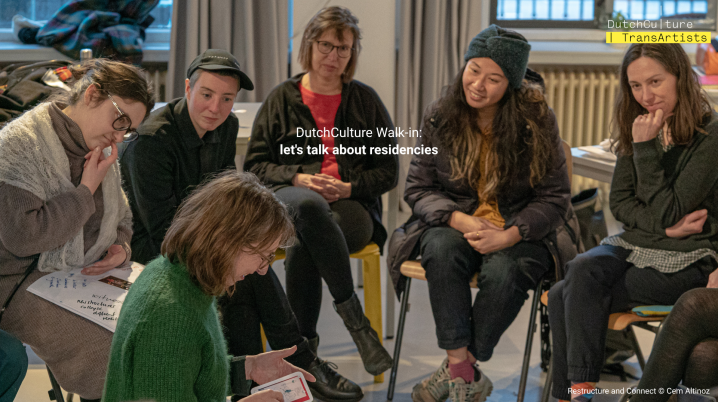
Join the DutchCulture | TransArtists team for a Walk-in with a special focus on international residencies. Whether you are interested in joining a residency abroad, developing a residency programme, or simply learning more about how residencies can create meaningful international exchange, come and talk to us.
Residencies can offer the time and space to develop your practice, encounter new contexts and build international connections. But a successful residency is about more than providing a studio or travel opportunity. It depends on the relationships between residents and hosts, the expectations of both sides, and the conditions created for exchange.
For creatives, this raises questions such as: How do you find the right residency? What should you look for before applying? How do you prepare for working in a new context? And how can a residency become more than a temporary stay?
Hosts also face practical questions: How do you find the right participants? What should you offer for a fair and meaningful exchange?
Come with your questions
During this informal drop-in session, the DutchCulture | TransArtists team will be available to discuss:
- finding and applying for international residencies
- what to consider when choosing a residency
- funding and practical aspects of international mobility
- developing or hosting a residency programme
- expectations and responsibilities between residents and hosts
- creating conditions for meaningful and reciprocal exchange
- how a residency can connect to longer-term international collaboration
You can bring a specific question, a residency opportunity you are considering or an idea for a programme you want to develop. You are also welcome if you simply want to learn more.
Speakers
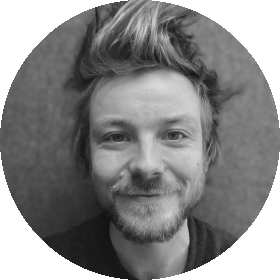
Besides being the drummer of the band Parker Fans, Kick Kluiving is also the residency coordinator at Meneer de Wit in de Baarsjes, Amsterdam-West. Meneer de Wit offers artists space to experiment, create, and further develop their practice. Through our Artist in Residence program, artists can work from our building in Amsterdam-West for a period of 6–8 weeks. If you're a visual artist, director, writer, dancer, musician, or active in another creative discipline? This residency gives you the time and space to dive deeper, focus, and explore new ideas.
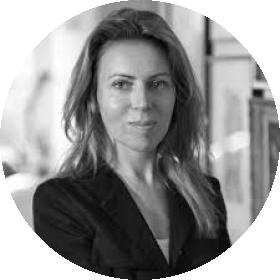
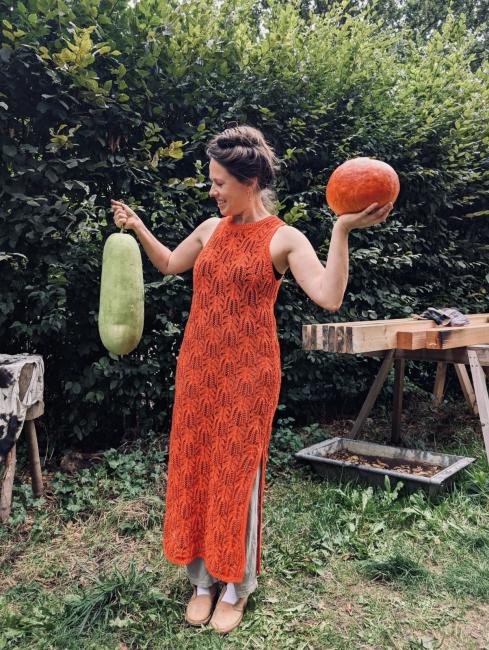
Eva van der Zand combines being an artist, a program maker, a residency host, and a placemaker thriving at the intersection of art, ecology, and place.
She is the founder of Plot Twists, an organisation that develops new possibilities for existing plots of land. From this, she developed The Moraine / De Stuwwal (2021), combining artist residencies, workshops, and collective learning, and two greenhouse gardens in Almere and Utrecht functioning as artist studios, residencies, and cultivation spaces. A residency in Japan is currently in development.
Her artistic practice explores ethnobotany, food heritage, and the cultural relationships between people, plants, and place, investigating how land can become a site for artistic production, knowledge exchange, and collective imagination. She wants to investigate: Do we find the right place for a residency, or does the place tell us what kind of residency it needs?
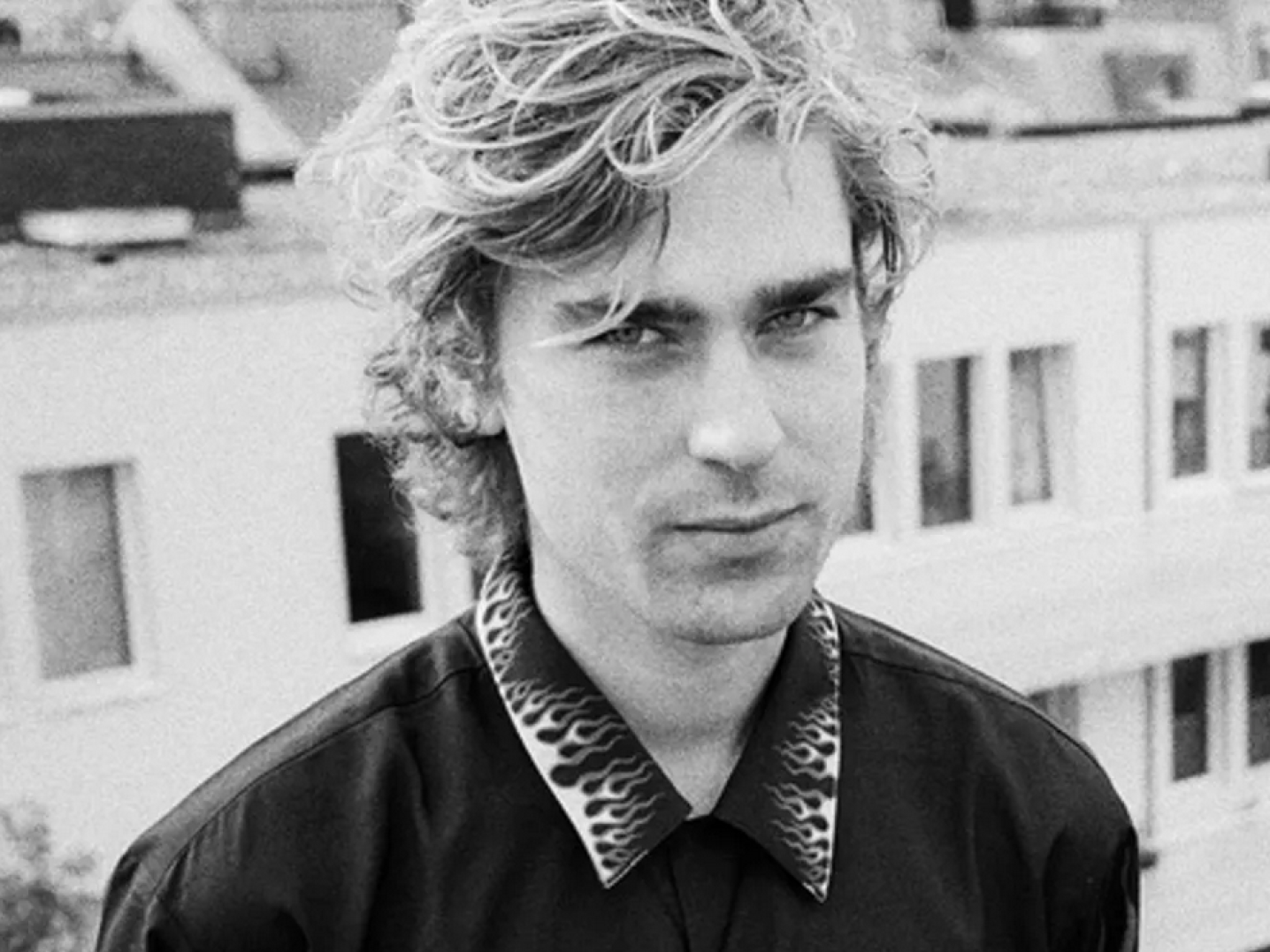
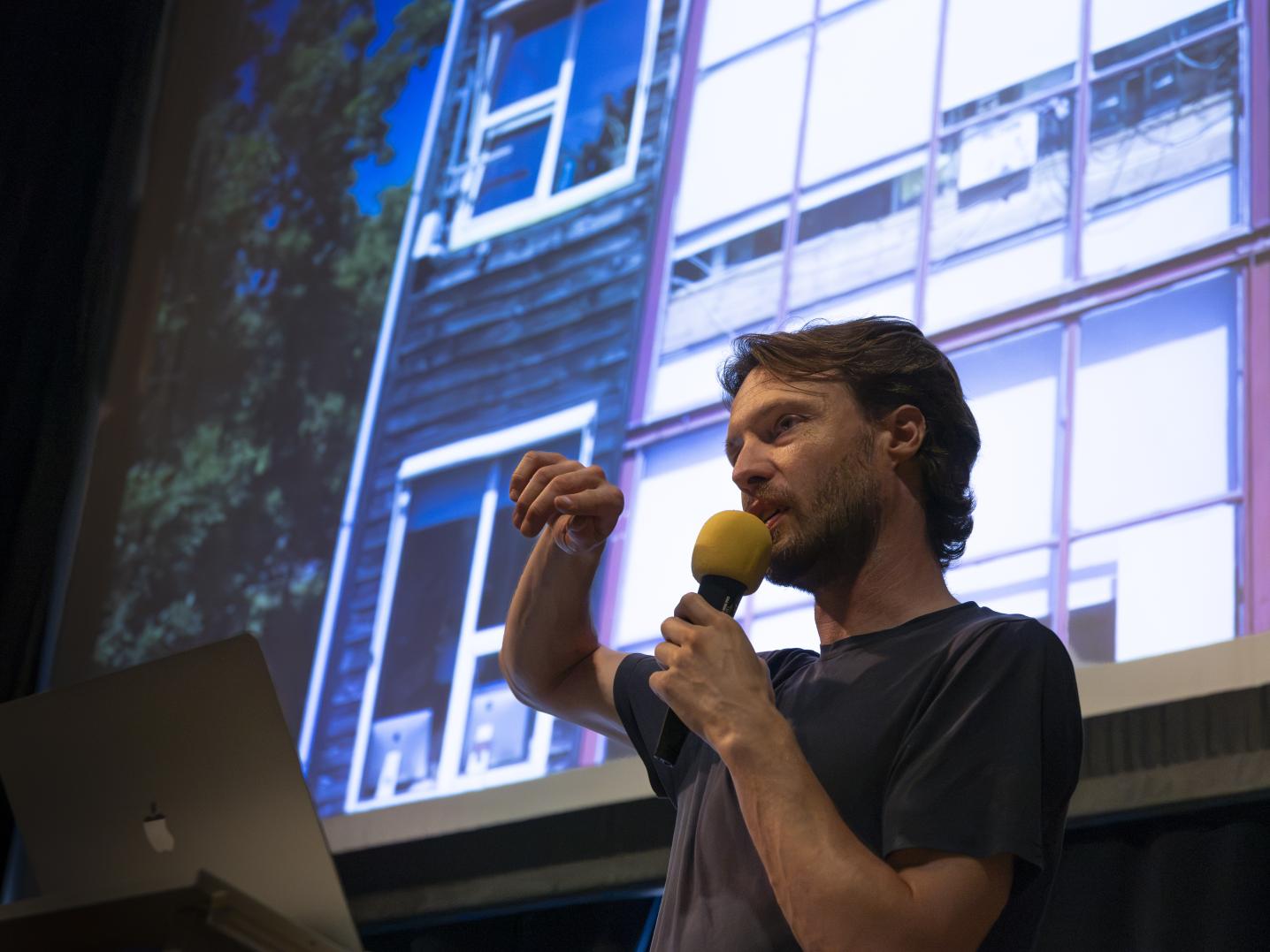
Werner de Valk is Zoöperations Manager at Creative Coding Utrecht (CCU), a platform for digital creativity, co-creation and collective learning at the intersection of art, technology and ecology. Inspired by techno-eco-feminist thinking and permacomputing, CCU is based at the Hof van Cartesius, a green and circular cooperative in Utrecht.
Since becoming a Zoöp in 2024, CCU has been exploring how non-human voices and interests can be meaningfully included in organisational decision-making and everyday practice. As Zoöperations Manager, Werner works on embedding this commitment in CCU’s ways of working, with a focus on building regenerative and reciprocal relationships with the human, animal, plant and non-living bodies that make up its ecosystem.
For Werner, residencies are an important part of this practice: creating space for exchange, experimentation and learning between artists, organisations and their more-than-human environments. During our morning session he will reflect on what it means to make residencies a core element of CCU’s practice and strategy.
And there's more
If you would like to continue the conversation, you are warmly invited to join us at Mediamatic from 16:00–18:00 for meet-the-makers: Zoöp Connections
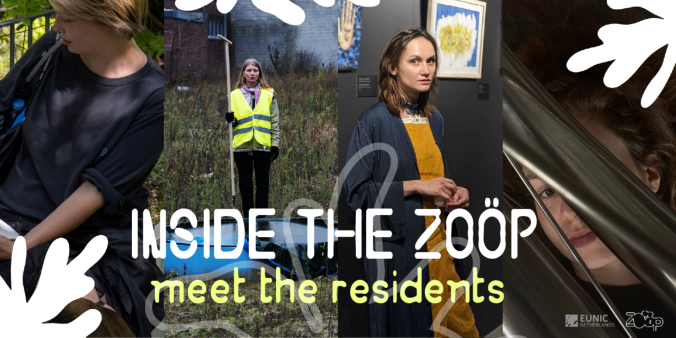
The event brings together the four 2026 Zoöp Connections residents and their hosts to share experiences from their residencies at Dutch Zoöps. It offers a concrete look at what happens when international creatives are embedded in a new organisational and ecological context; and what can emerge from that encounter.