 Search Artists
 Search Disciplines
 Search
Places


Image

OBRAS Residency

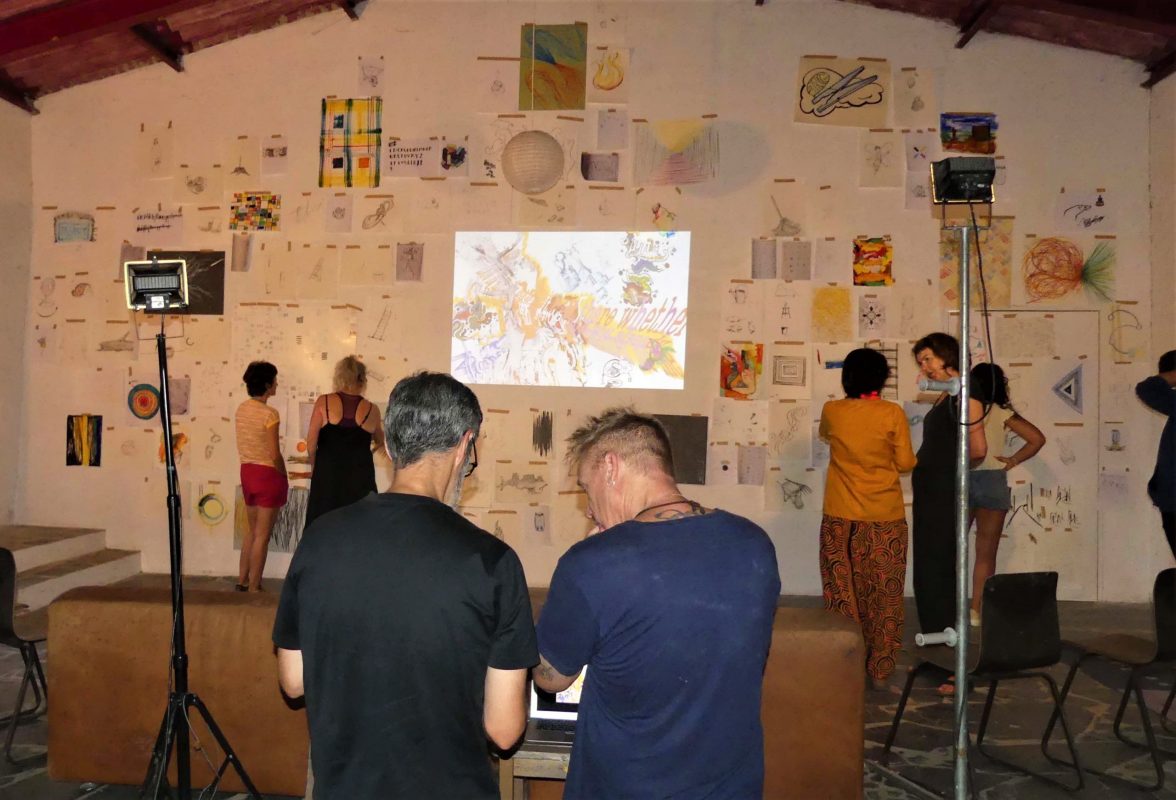
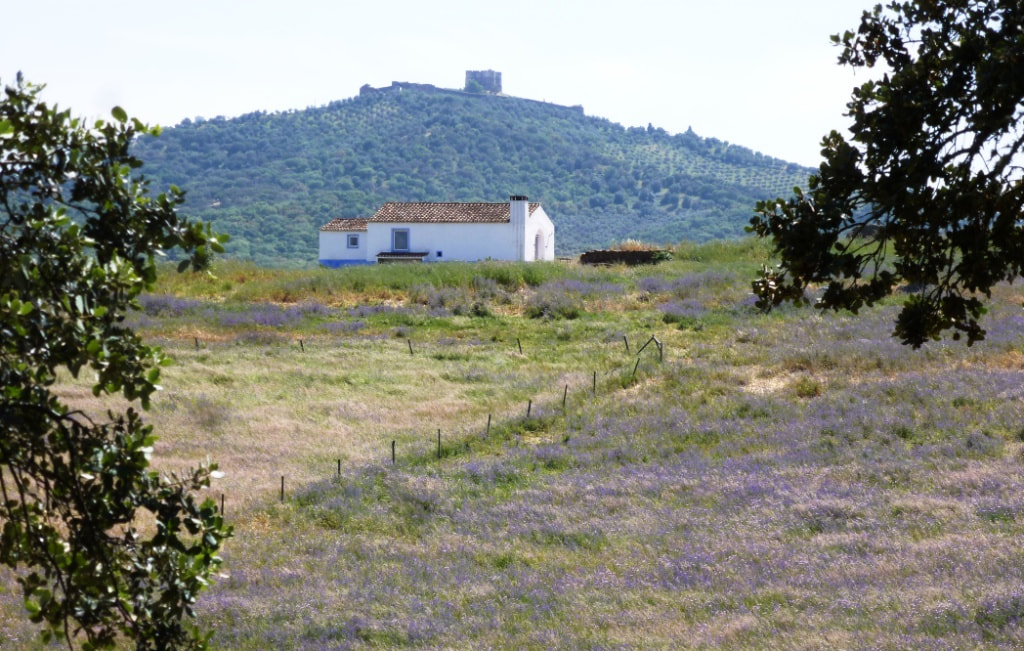
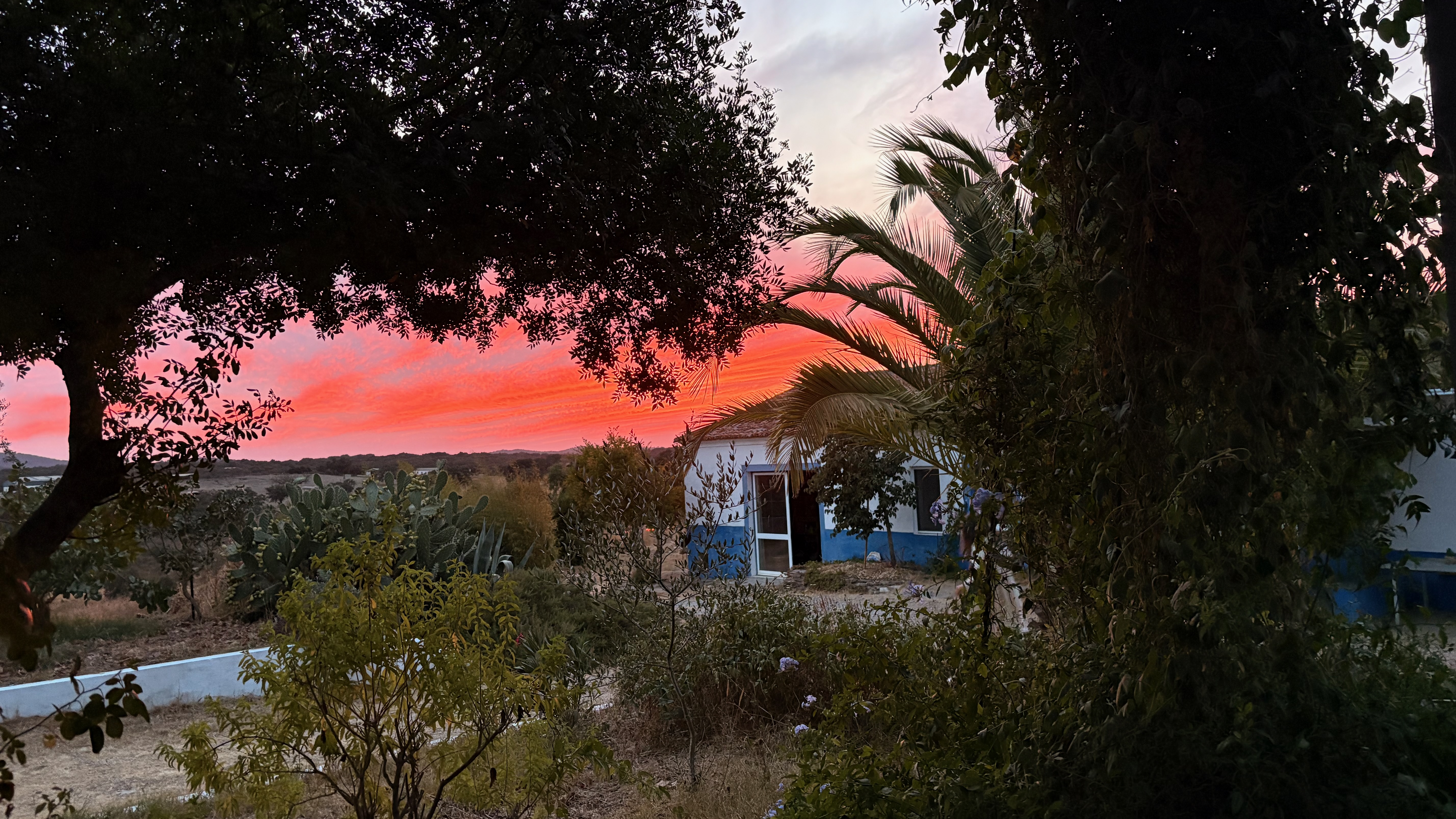
OBRAS is an independent, artist-run residency located on Herdade da Marmeleira near the village of Évoramonte in Portugal’s Alentejo region. The residency hosts a small number of international artists and researchers working across disciplines, including visual art, writing, music, film, architecture, performance, and research-based practices.
The property has developed over generations and includes traditional Portuguese buildings, independent cottages, and working studios spread across the landscape. OBRAS was created to provide the conditions necessary for sustained artistic practice through time, space, and self-directed working environments.
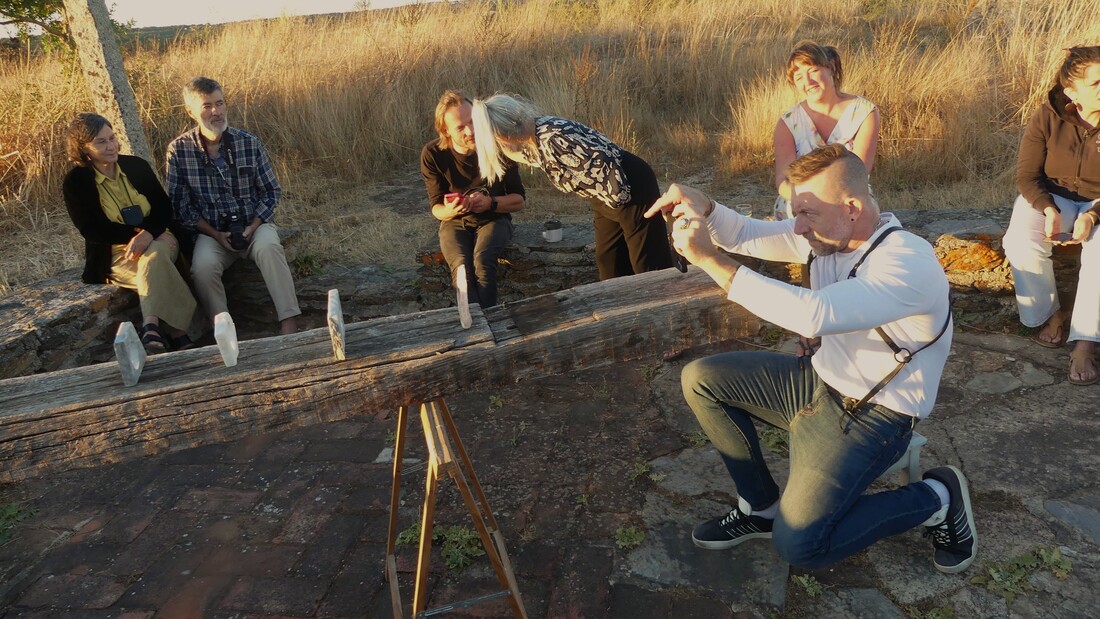
Programming remains intentionally minimal. Residents are given the freedom to determine the direction and pace of their stay, while opportunities for informal exchange take place through shared meals, conversations, artist talks, and twice-yearly open studios.
OBRAS is an international artist residency offering artists and researchers time, space, and solitude. Located near the village of Évoramonte in Portugal’s Alentejo region, the residency exists to support sustained, self-directed work.
OBRAS—a Portuguese word meaning work in progress—refers to the active state of making: work that is underway, evolving, unresolved. The residency is built around that condition, offering artists the space and time to focus on their work without prescribed outcomes or imposed programs. Each resident determines the direction and pace of their stay.
The focus here is not on finishing something or producing a result, but on giving your work the attention it needs to develop. Residents live and work alongside a small international group while maintaining the independence necessary for concentrated practice.
Surrounded by agricultural land and the marble quarries of the Alentejo, life here moves at a slower pace. The landscape becomes part of the rhythm of working.
OBRAS exists to support serious work without pressure to produce or perform. The value of being here is not measured by what you complete, but by the quality of attention you are able to give. Practice is ongoing.
The outcome of a residency at OBRAS is not defined by a finished work, exhibition, or measurable result. What matters is the opportunity to give sustained attention to your practice without the usual pressures, interruptions, or expectations of daily life. Sometimes that leads to completed work; sometimes it leads to new questions, new directions, or a deeper understanding of what you are doing.
Residents stay in private apartments or cottages located across the property. You will have your own living space and, if you wish, access to a separate studio. The spaces are simple and practical. Thick stone walls, tiled floors, and high ceilings help keep the interiors cool during the warmer months. Windows and doors open directly onto patios, gardens, and the surrounding countryside.
Each apartment and cottage includes a small kitchen equipped with basic amenities: small refrigerator, cooking plate, microwave, coffee machine, electric kettle, and simple cookware.
Water is from a private wells and is safe to drink. You are free to make the space your own, all they ask is that everything is returned to its original place before leaving.
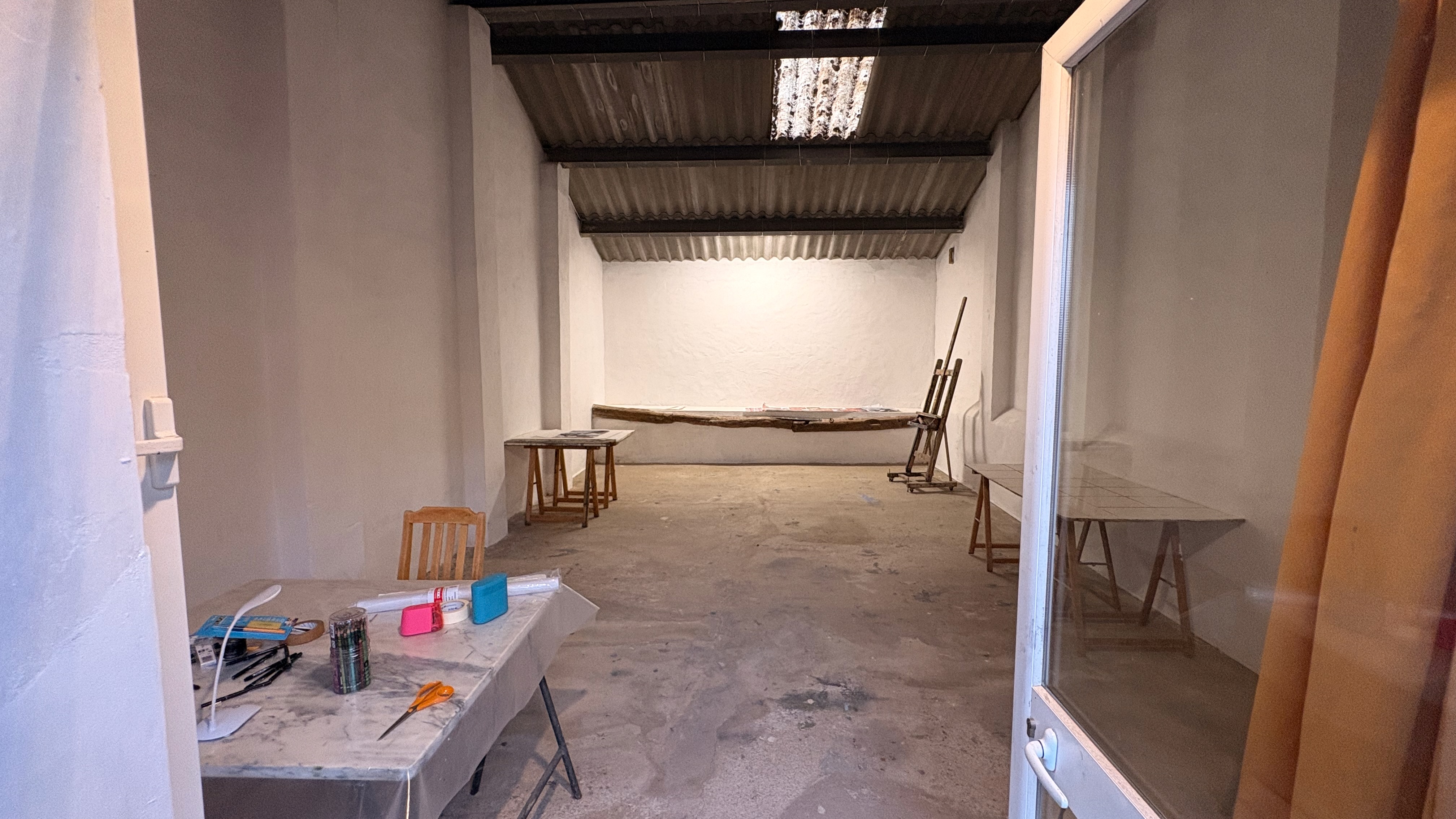
The studios at OBRAS are straightforward workspaces. Some are large and open. Others are smaller and more contained. Not every resident receives a separate studio. Spaces are assigned based on availability and the needs of the work. The rooms are simple: high ceilings, stone or cement floors, and natural light. There are no sinks or built-in technical infrastructure. Artists are expected to work within the limitations of the space.
The land extends in every direction, and several defined exterior areas can be used for projects that need scale, air, or distance from walls. Some are structured by stone. Others are simply open ground. Wind, light, heat, and time of day become part of the conditions. Residents move between interior and exterior spaces depending on the needs of the work. There is no hierarchy between them.